Pneumatic conveying systems play a vital role in industries where powders,
granules, and bulk solids must be transported efficiently, safely, and without contamination.
Whether in food, pharma, chemicals, plastics, or minerals, these systems ensure dust-free,
automated, and reliable material movement.
This comprehensive guide explains everything you need to know about
pneumatic conveying from working principles and types to applications, advantages, and how to
select the right system for your plant.
What Is a Pneumatic Conveying System?
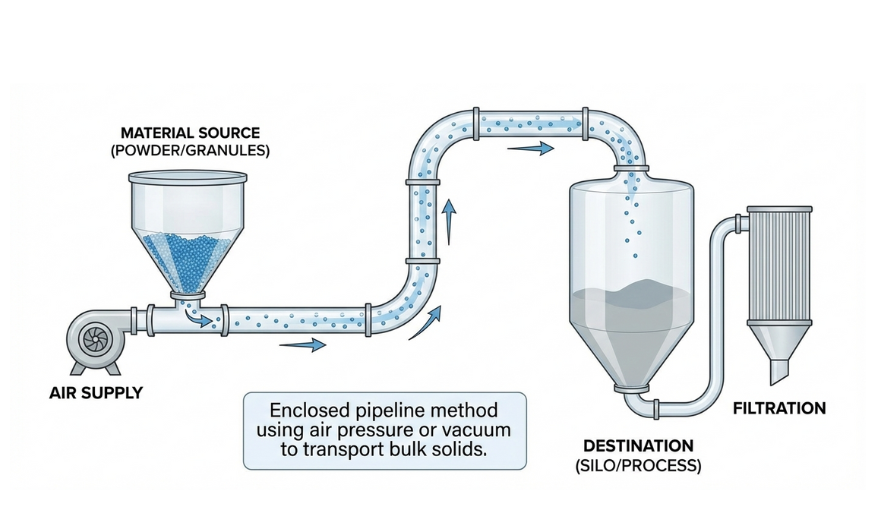
A pneumatic conveying system is an enclosed pipeline-based method
used to
transport powdered or granular materials using air pressure or vacuum. It eliminates
manual
handling, minimizes dust emissions, ensures hygiene, and maintains high operational
efficiency.
This type of system is ideal for industries that prioritize
precision,
safety, contamination-free handling, and automation.
How Pneumatic Conveying Works
Pneumatic conveying uses air as the conveying medium. Material is moved
through pipelines using one of the following forces:
✔ Positive Pressure Conveying (Blowing System)
A blower or compressor pushes material through the pipeline.
Best for long-distance conveying and high-throughput applications.
✔ Negative Pressure Conveying (Vacuum Conveying)
A vacuum pump pulls material through the line.
Ideal for feeding, short-distance conveying, or hygienic applications.
The choice depends on:
- Material characteristics
- Distance
- Flow rate
- Plant layout
- Hygienic requirements
Types of Pneumatic Conveying Systems
- Dilute (Lean) Phase Conveying
- Dense Phase Conveying
Both systems transport powders and bulk solids but differ in pressure,
velocity, and material handling behavior.
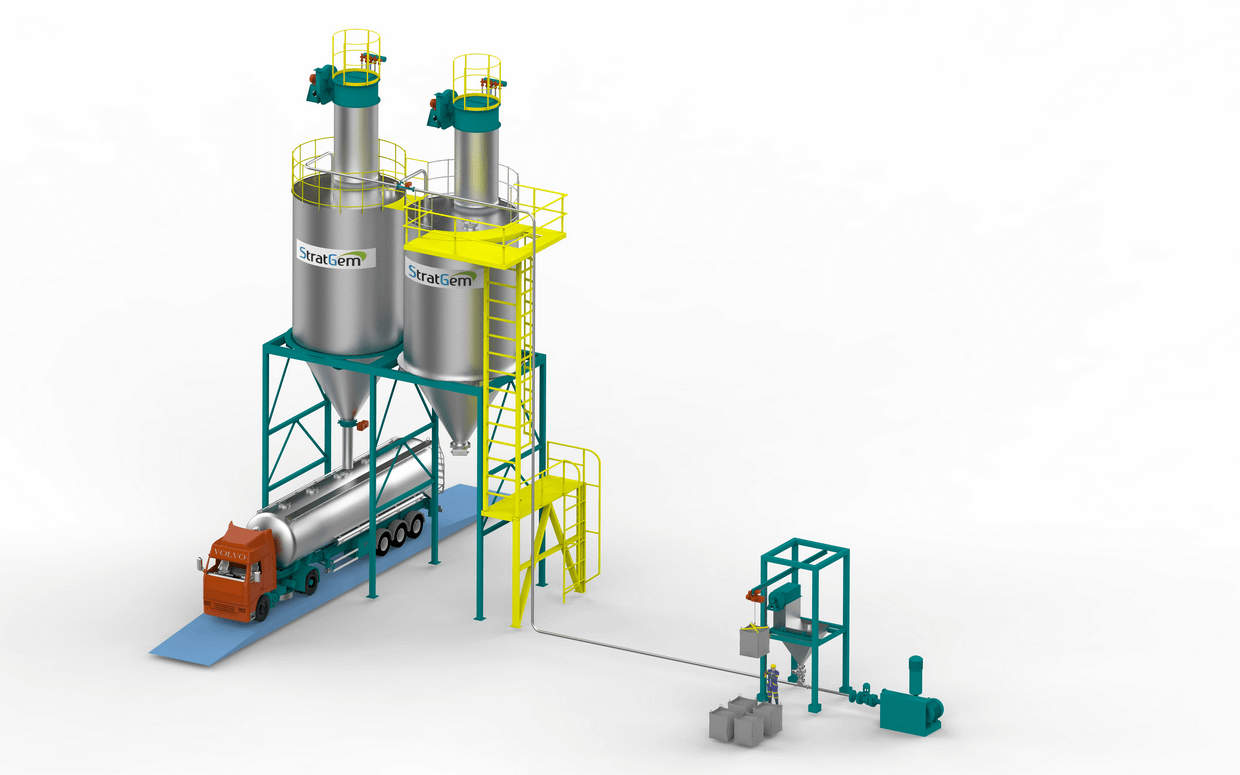 Dilute Phase Conveying System
1. Dilute (Lean) Phase Conveying System
Dilute Phase Conveying System
Dilute phase conveying system suspends material in a high-velocity
air
stream. It’s ideal for free-flowing, non-abrasive, lightweight powders.
How Dilute Phase Works
- High air velocity is generated by blowers or vacuum systems
- Material stays suspended throughout the pipeline
- Uniform flow ensures continuous conveying
Key Characteristics
- Low pressure, high velocity
- Low material-to-air ratio
- Excellent for long piping routes with bends
Best Suited For
- Flour, sugar, starch
- Spices & food powders
- PVC resin, pellets
- Fine chemicals
- Additives & lightweight material
👉 Learn more: Lean Dilute Phase Conveying System
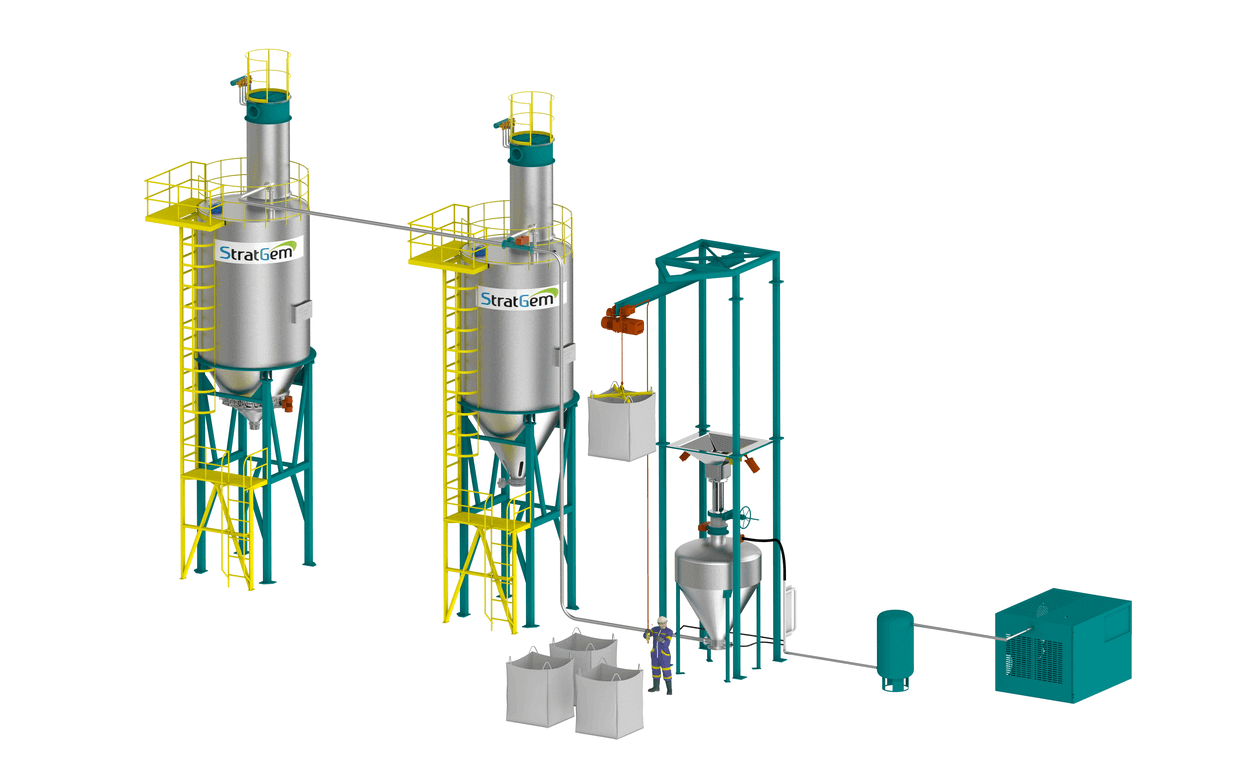 Dense Phase Conveying System
2. Dense Phase Conveying System
Dense Phase Conveying System
Dense phase conveying is ideal for abrasive, fragile, or heavy
materials. It
uses high pressure and low velocity to move material in slugs or pulses.
How Dense Phase Works
- A pressure vessel fills with material
- Compressed air pushes material gently through the line
- Low velocity reduces product degradation
Why Industries Choose Dense Phase
- Minimal product breakage
- Very low pipe wear
- Lower energy consumption over long distances
- Ideal for heavy, fragile, and abrasive products
Perfect For
- Sand, minerals
- Alumina, fly ash
- Cement, silica
- Plastic granules
- Abrasive chemicals
👉 Learn more: Dense Phase Pneumatic Conveying Systems
Dilute Phase vs Dense Phase
| Feature | Dilute Phase | Dense Phase |
|---|---|---|
| Air Velocity | High (15–35 m/s) | Low (3–8 m/s) |
| Pressure | Low | High |
| Material Wear | Moderate to High | Very Low |
| Best For | Light, non-abrasive powders | Abrasive, fragile materials |
| Energy Use | Lower | Higher |
| Cost | Lower | Higher |
| Distance | Short–Medium | Medium–Long |
👉 Learn more: Dense vs Dilute Phase Pnuematic Conveying System
Applications of Pneumatic Conveying Systems
Pneumatic conveying is widely used across industries handling dry bulk
solids.
Food & Beverage
- Sugar, salt, spices
- Wheat flour
- Cocoa, coffee powders
- Starch, additives
Pharmaceuticals
- APIs
- Excipients
- Hygienic powder handling
Chemicals & Plastics
- Polymers
- Pigments
- Additives
- Masterbatch
Minerals & Mining
- Alumina
- Cement dust
- Lime, silica
- Fly ash
👉 Learn more: Powder Handling Solutions by Stratgem
Advantages of Pneumatic Conveying Systems
1. Fully Enclosed & Dust-Free Operation
Prevents product contamination and improves workplace safety.
2. Flexible Layout & Routing
Pipes can run vertically, horizontally, or around existing structures.
3. Low Maintenance
Minimal moving parts → reduced downtime and lower service cost.
4. Safe Material Handling
Eliminates spillage, reduces dust explosion risks, and enhances operator
safety.
5. Compact Design
Ideal for facilities with limited space.
6. Better Product Integrity (Dense Phase)
Preserves particle quality with gentle flow.
How to Choose the Right Pneumatic Conveying System
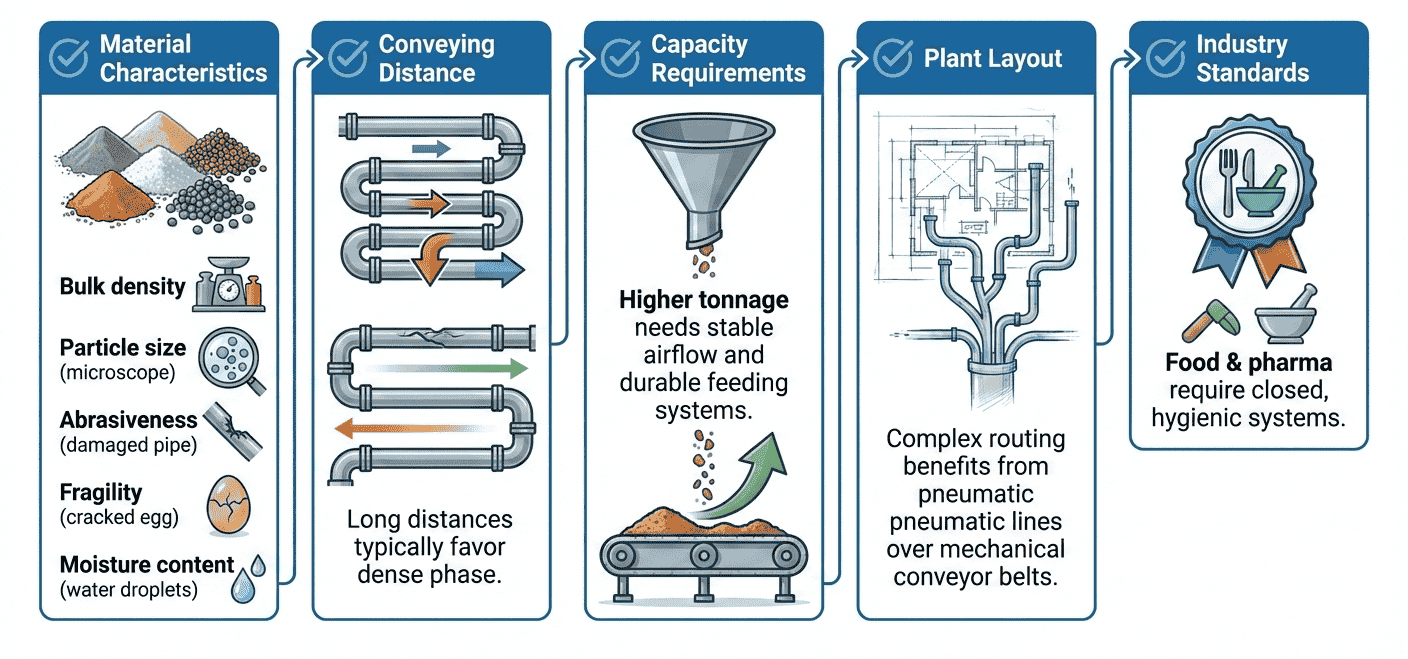 How to Choose the Right Pneumatic Conveying System?
To select the optimal system, consider:
✔ Material Characteristics
- Bulk density
- Particle size
- Abrasiveness
- Fragility
- Moisture content
✔ Conveying Distance
Long distances typically favor dense phase.
✔ Capacity Requirements
Higher tonnage needs stable airflow and durable feeding systems.
✔ Plant Layout
Complex routing benefits from pneumatic lines over mechanical conveyor
belts.
✔ Industry Standards
Food & pharma require closed, hygienic systems.
How to Choose the Right Pneumatic Conveying System?
Why Stratgem Is the Trusted Manufacturer
Stratgem Projects delivers custom-engineered pneumatic conveying systems
designed for reliability, precision, and long service life.
✔ 15+ Years of Industrial Expertise
✔ Proven solutions across food, chemical, pharma & mineral sectors
✔ High-performance components:
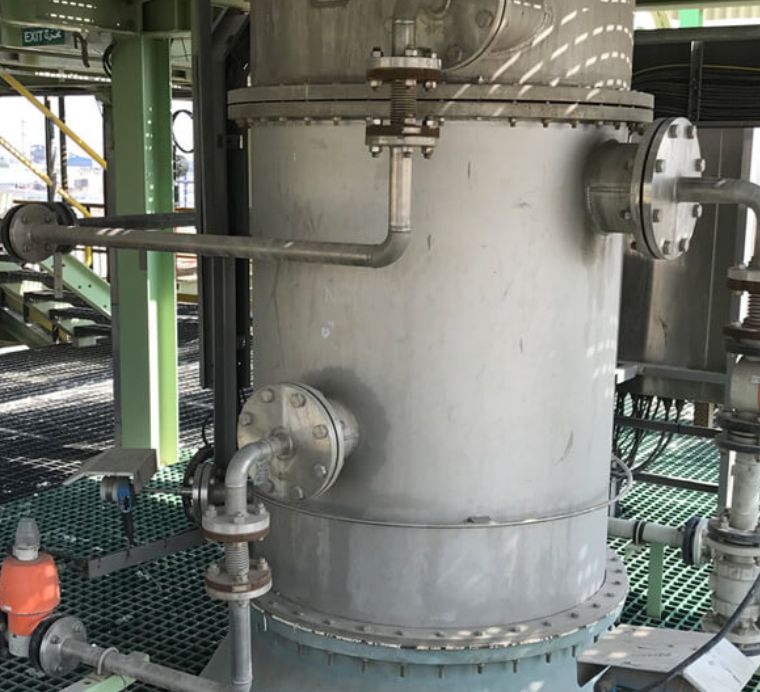
- Dense phase vessels
- Rotary airlock valves
- Diverter valves
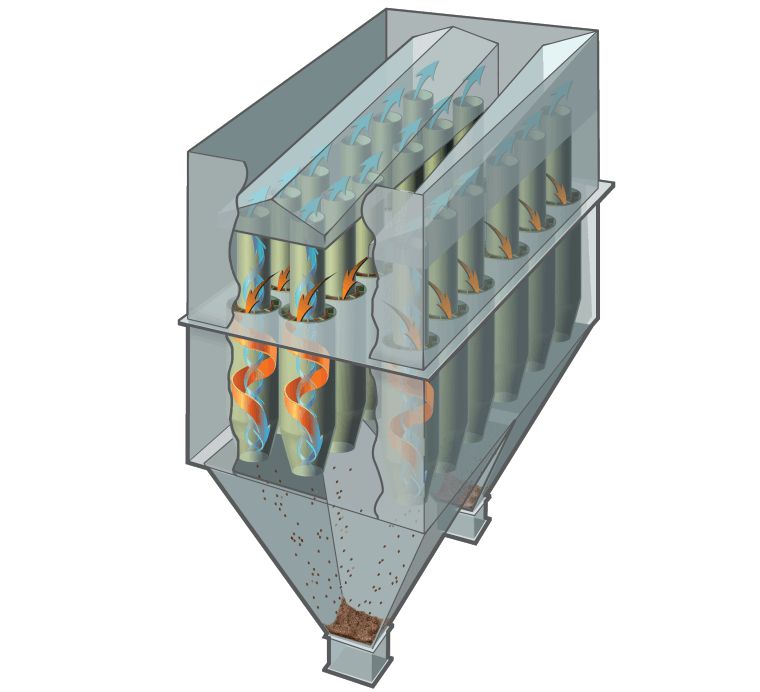
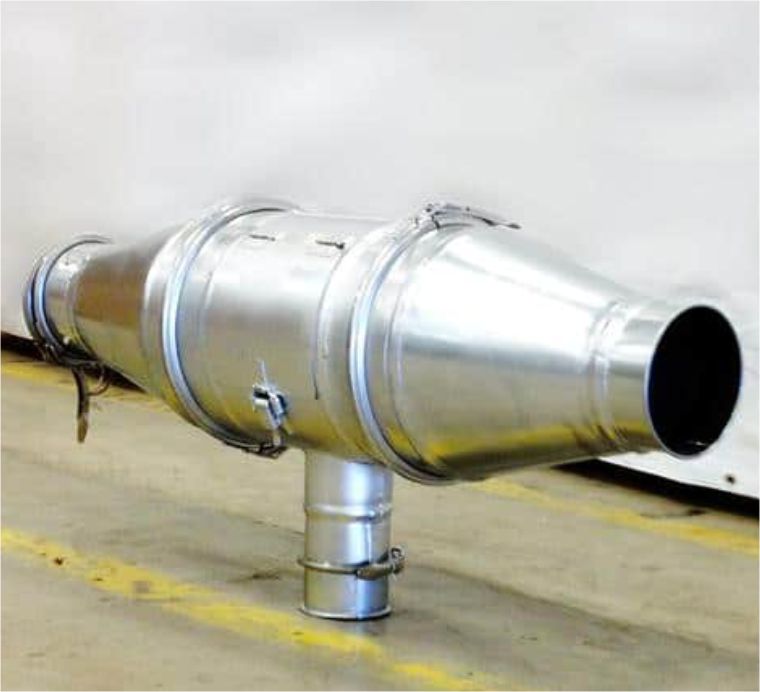
- Cyclone separators
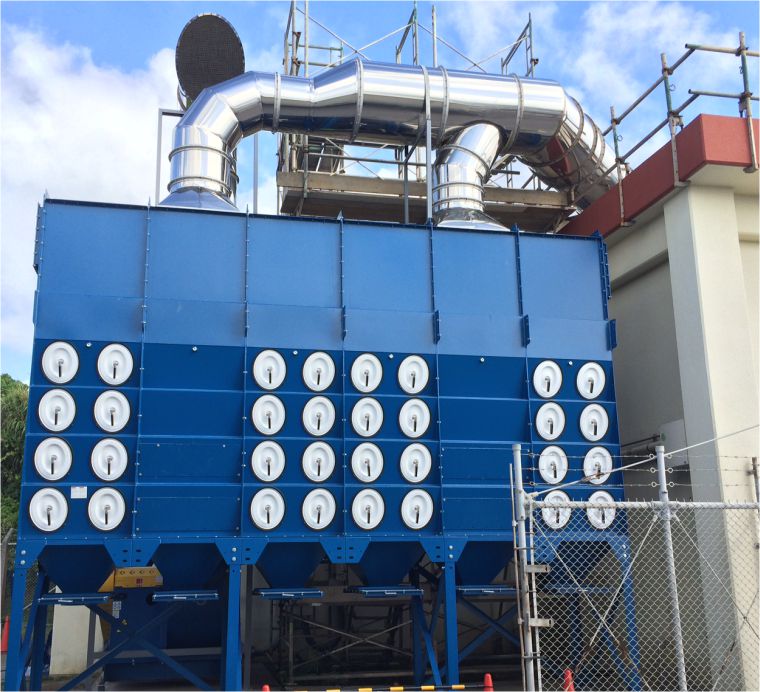
- Bag filters
Conclusion
Pneumatic conveying systems are essential for efficient, hygienic, and
dust-free handling of powders and granular materials. Whether you need the speed of dilute phase
or the gentle precision of dense phase, the right system can significantly improve plant
productivity and safety.
Stratgem
Projects provides end-to-end engineered solutions tailored to your material, capacity,
and application needs.
Simply state your requirement and solution you are looking for Stratgem will provide a solution that will suit your process needs keeping the product integrity and safe operations.





Plan to Start a Project