What is a Dense Phase Pneumatic Conveying System?
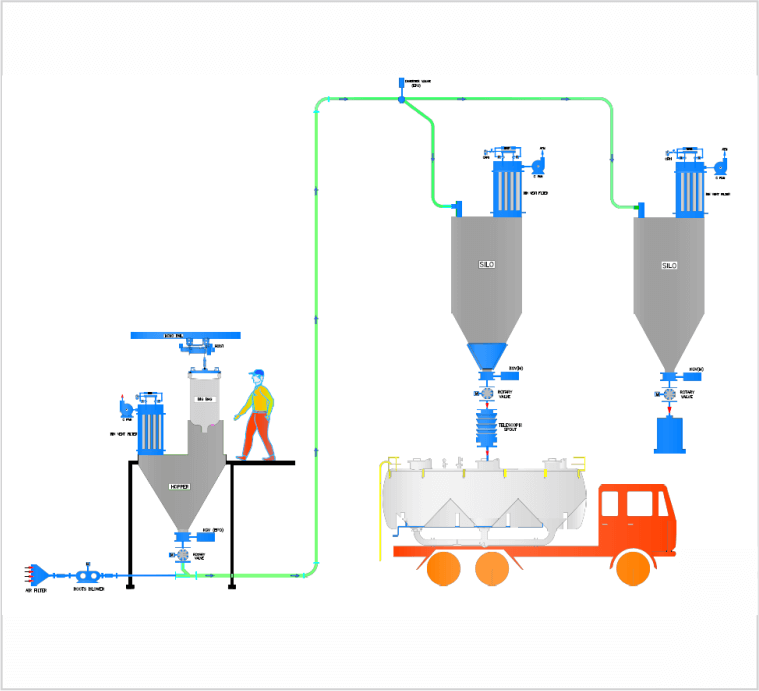
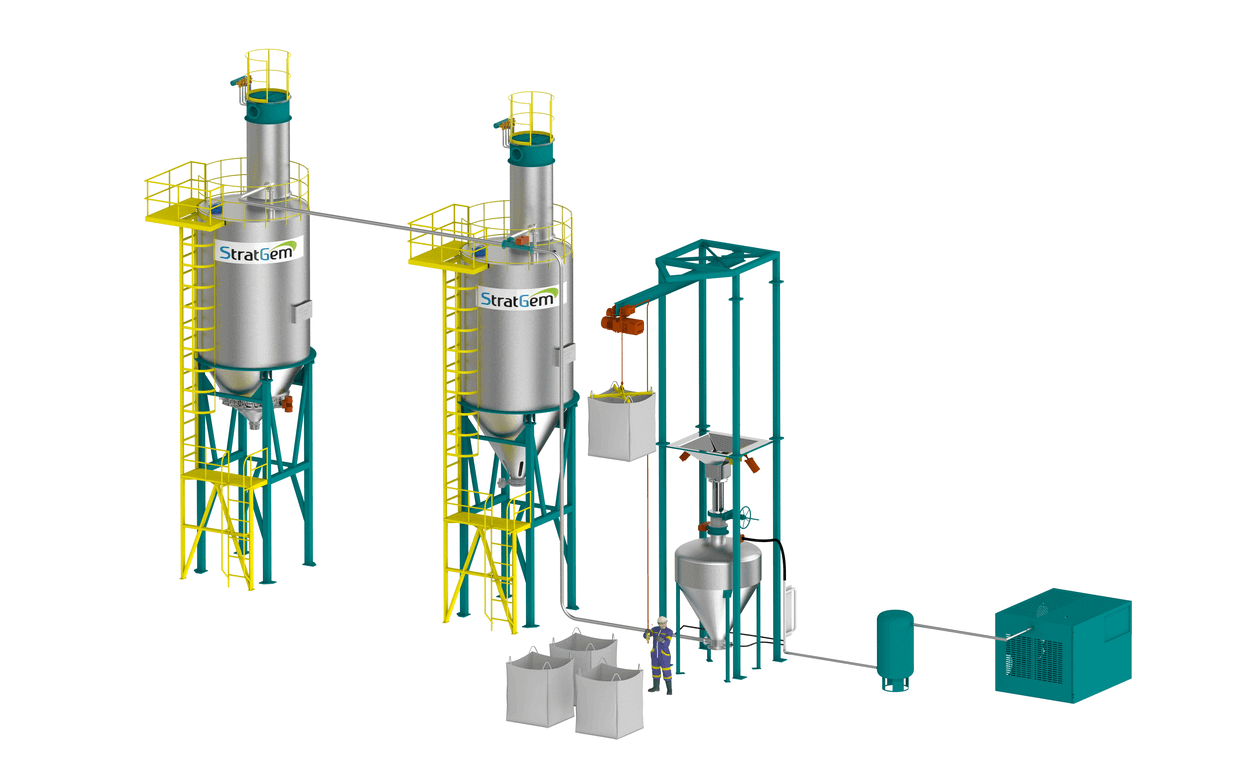
A dense phase pneumatic conveying system is a high-pressure, low-velocity bulk material handling system used to transport powders and granules gently through pipelines. The material moves in plugs or slugs rather than being suspended in air, minimizing particle degradation, pipeline wear, and dust generation.
Dense phase systems are ideal for abrasive, fragile, or high-value materials where product integrity and long pipeline life are critical.
How Dense Phase Conveying Works?
Dense phase conveying operates using compressed air and a pressure vessel (blow tank).
Why Choose Dense Phase Over Dilute Phase?
Dense phase conveying is preferred when:
Types of Dense Phase Conveying Systems
1️⃣ Dense Phase Pressure Conveying System
In pressure dense phase conveying, compressed air pushes material from a pressure vessel through a pipeline to one or multiple destinations.
Key Features
- Operating Pressure: 0.5 to 7 bar (g)
- Conveying Velocity: 1–10 m/s
- Material-to-Air Ratio: 20:1 to 80:1
- Dust-tight and emission-free operation
- PLC & SCADA automation compatible
- High efficiency for long-distance conveying
Specifications
- Conveying Distance: Up to 500 meters
- Capacity: 0.5 TPH to 50 TPH
- Prime Mover: Air Compressor
- Pressure Vessel Range: 0.07 m³ to 6 m³
- Tandem Vessel Arrangements available for higher capacity
2️⃣ Dense Phase Vacuum Conveying System
Dense phase vacuum conveying uses negative pressure to transport material through pipelines. It is mainly used for short-distance conveying, hygienic applications, and controlled material handling in sensitive industries.
Key Features
- Operating Pressure: Up to (-) 1 bar
- Conveying Velocity: Up to 12 m/s
- Material Loading Ratio: 5 to 80
- Dust-free and closed conveying
- Specially designed vacuum-rated components
Specifications
- Conveying Distance: 15–20 meters
- Capacity: Up to 10 TPH
- Prime Mover: Vacuum Pump / Roots Blower
Applications
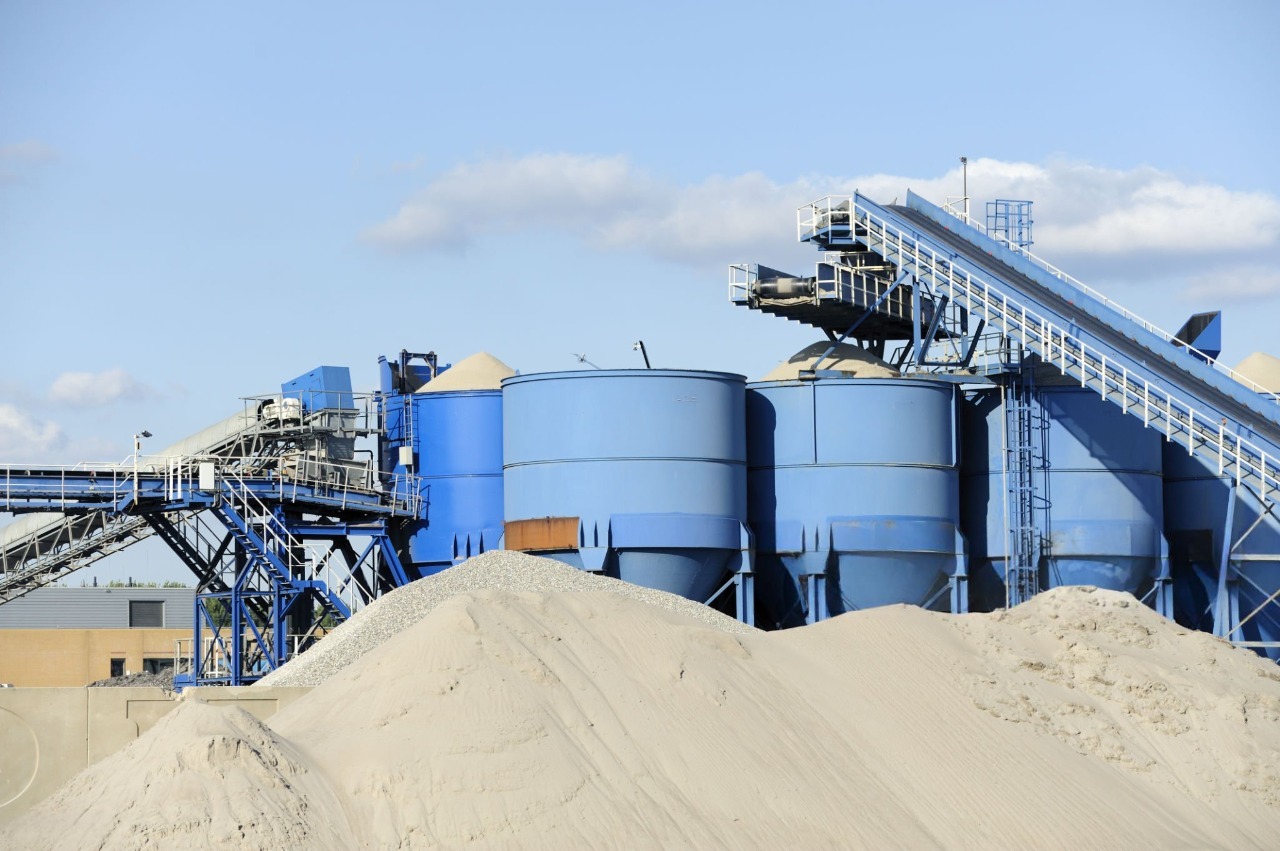
Cement Plants
High-efficiency pneumatic conveying and dust collection systems for cement manufacturing
Heavy Industry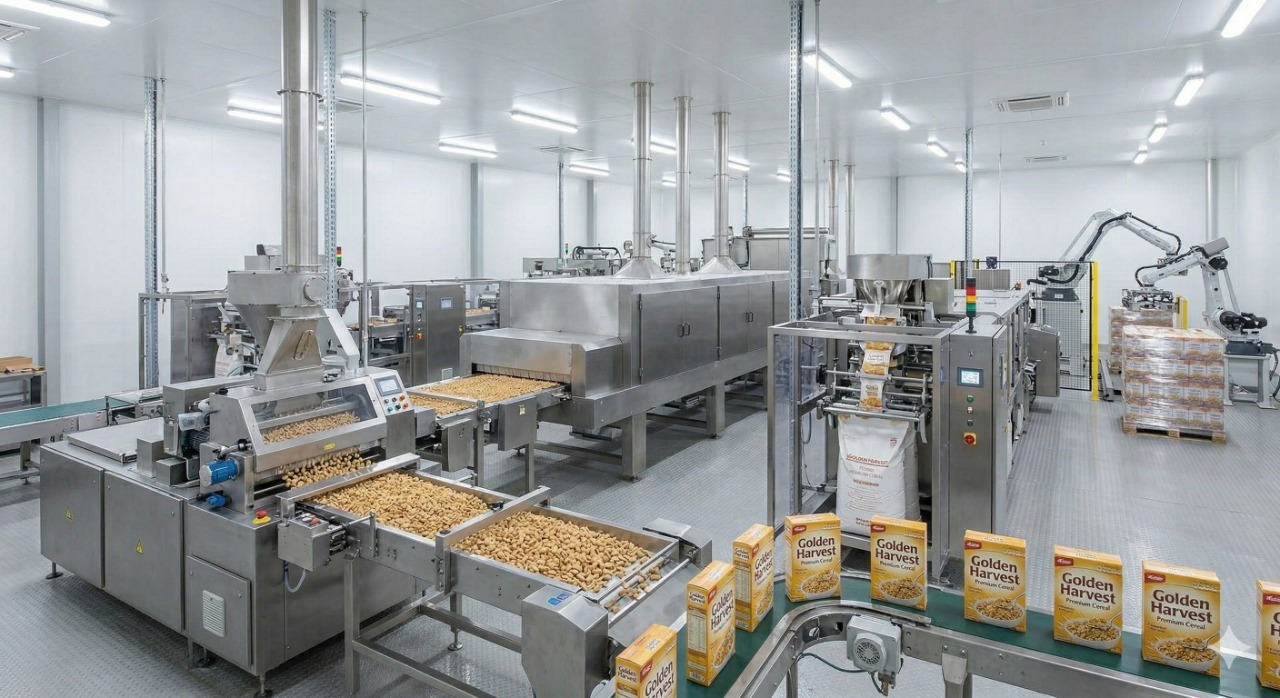
Food Processing Industries
Hygienic conveying & material handling for food safety
Food Grade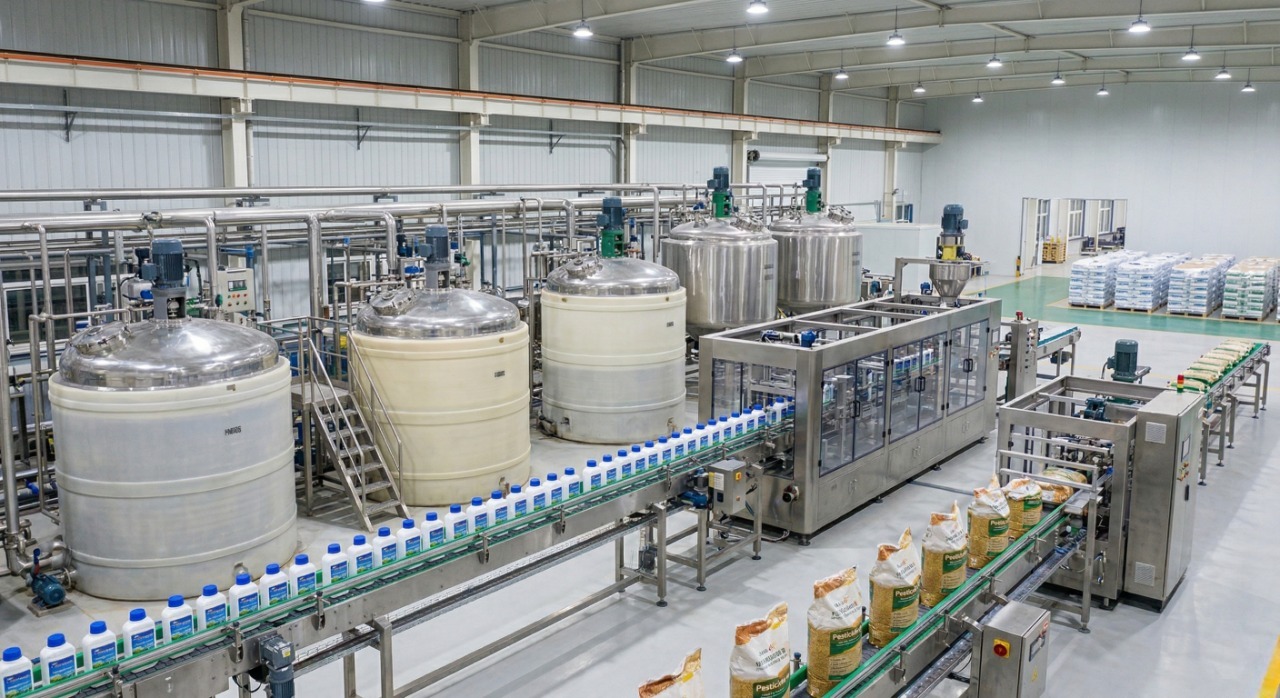
Chemical Industries
Corrosion-resistant systems for aggressive materials
Chemical Processing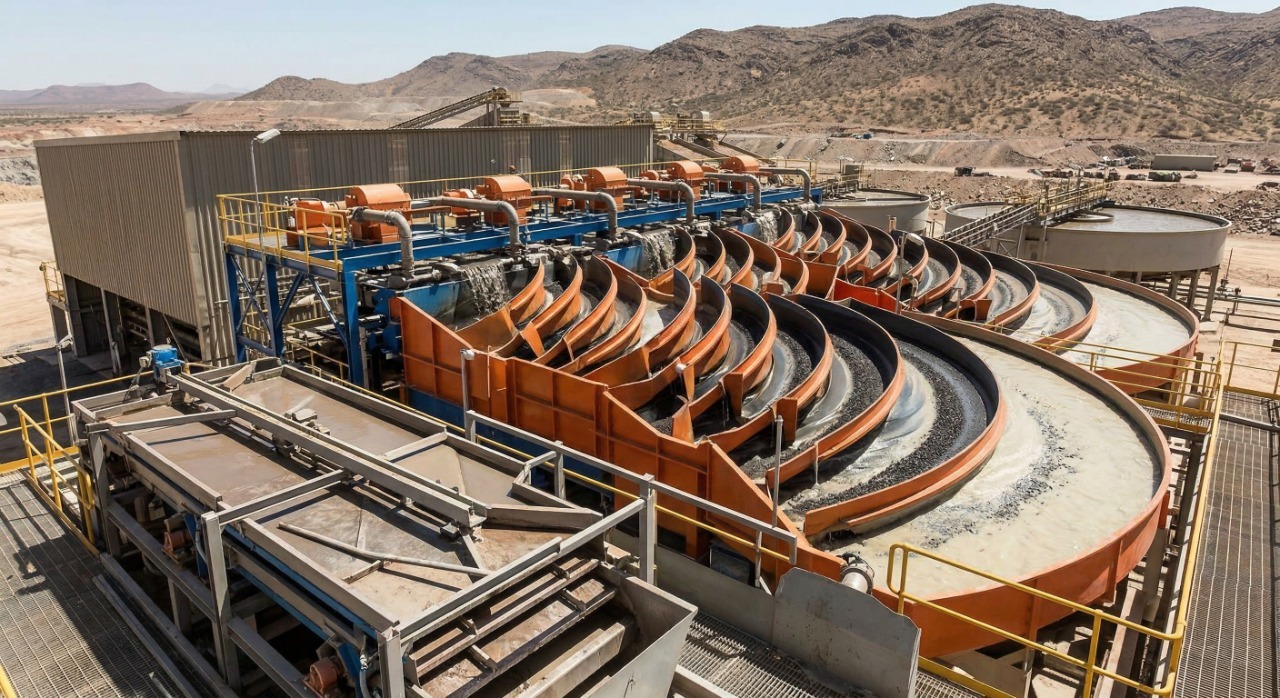
Mineral Processing Plants
Heavy-duty solutions for mining & mineral beneficiation
Heavy Industry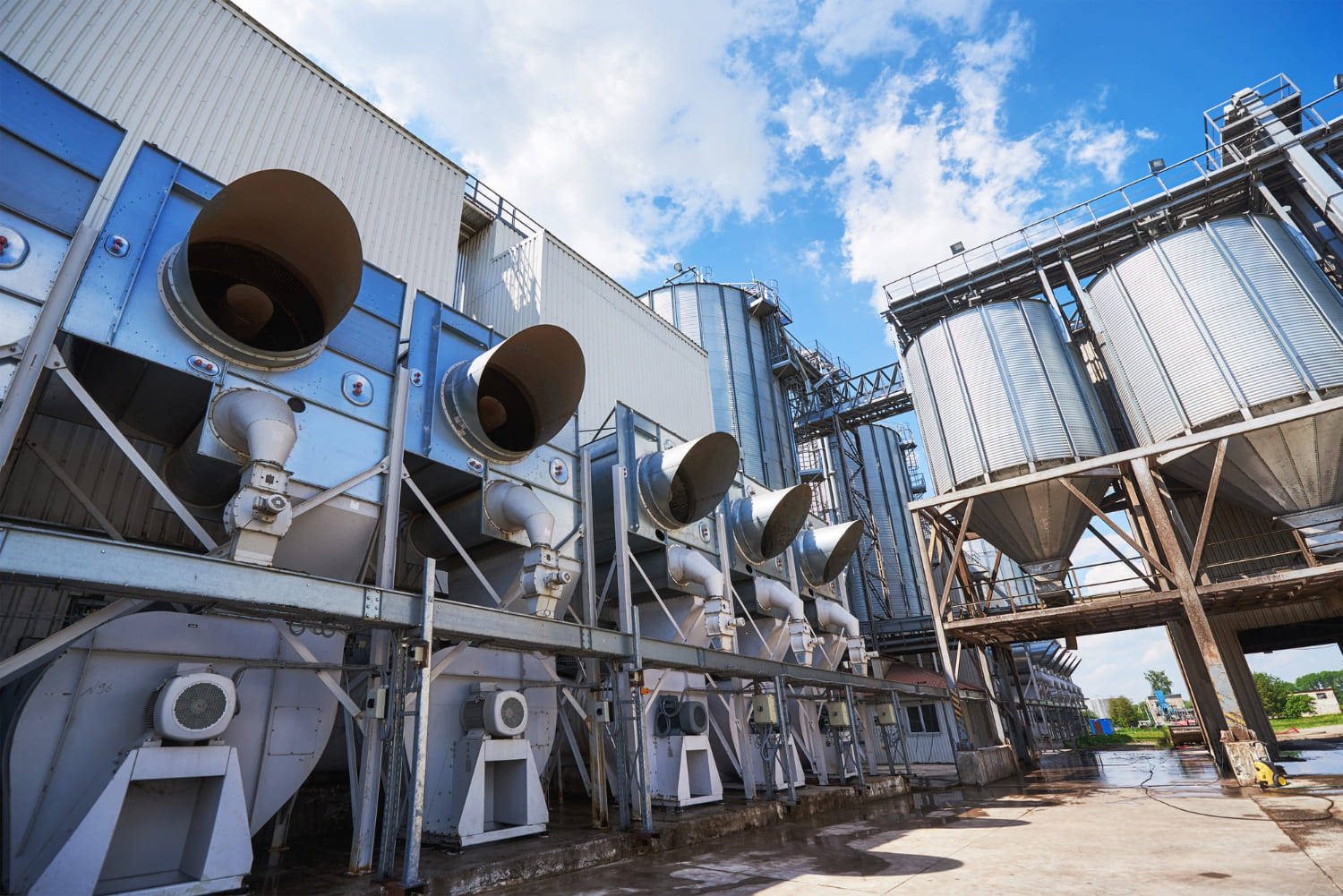
Fly Ash Handling Systems
Advanced pneumatic conveying & ash management solutions
Industrial EfficiencyStratgem LAVORF Technology
Stratgem LAVORF is a specially engineered convergent-divergent nozzle that ensures proper material flow into the conveying line. It maintains correct loading ratios and low velocity, preventing pipeline choking and improving conveying efficiency.
Materials Suitable for Dense Phase Conveying
Dense phase systems are suitable for:
- Fly Ash
- Cement
- Sinter Dust
- Pellet Dust
- Titanium Dioxide (TiO₂)
- Lime
- Coke
- PP / HDPE
- Feldspar
- Quartz
- Sand
- Zinc Dust
- Soda Ash
- Wheat Flour
- PTA Powder
- Micro Silica
- Alumina
Advantages of Dense Phase Pneumatic Conveying
Industries We Serve
Stratgem Projects designs and manufactures dense phase pneumatic conveying systems for:
Why Stratgem Projects?
Stratgem designs and manufactures pneumatic conveying systems based on the needs and specifications of the customer. Among the industries we serve are food, chemicals, pharmaceuticals, plastics, minerals, and others.
Stratgem Pune, India can help you with either a complete bulk material handling system or single component equipment. Furthermore, when it comes to dense phase conveying systems or dilute-phase conveying systems, we offer comprehensive services such as field service, start-up service, full-scale material testing, and spare parts.
We offer: