Introduction
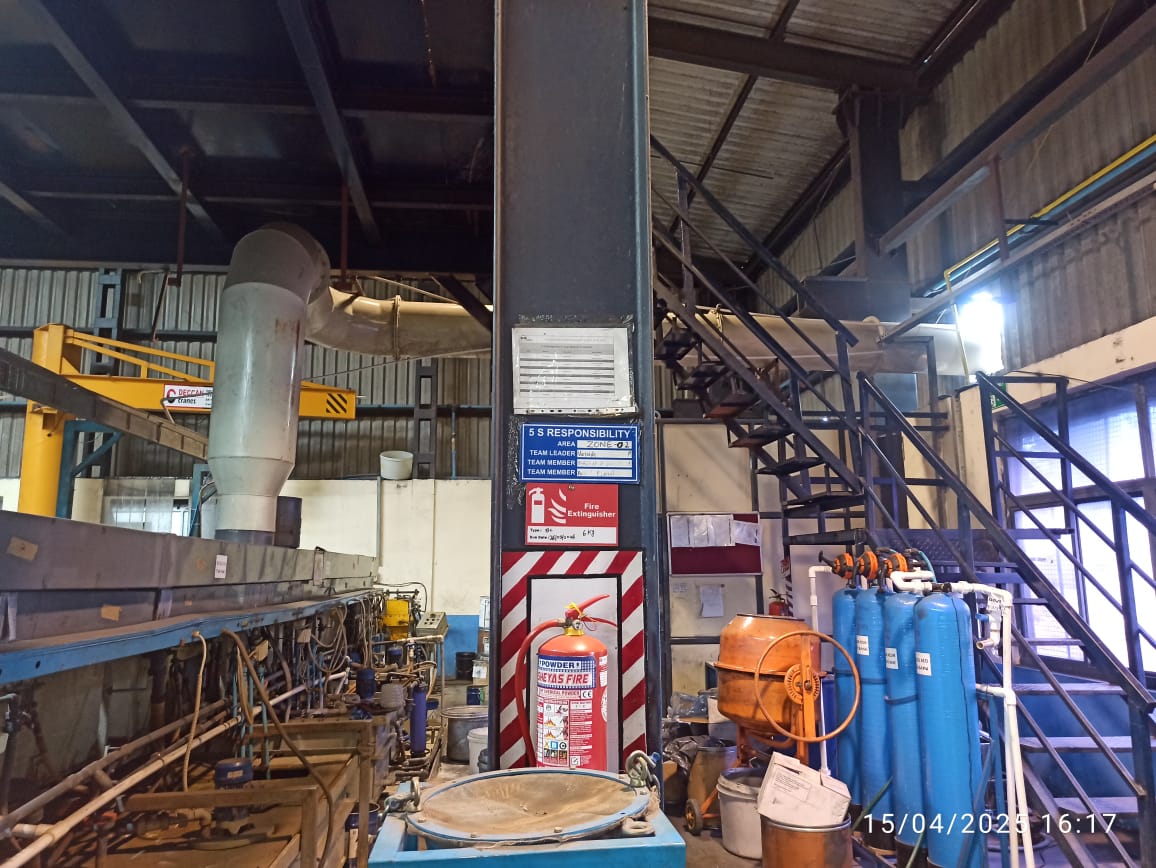
What is the Seven Tank Process?
Seven Tank Process
Steps in the Seven Tank Process Requiring a Fume Extractor
Here’s a look at each step in the Seven Tank Process, where a fume extraction system is essential:
-
Degreasing Tank
- • Purpose: Removes oils, greases, and other contaminants from the metal surface using a degreasing solution.
- • Need for Fume Extraction: Degreasing agents produce chemical vapors that can be harmful if inhaled. A fume extractor removes these toxic fumes, improving workplace safety.
-
First Water Rinse Tank
- • Purpose: Removes oils, greases, and other contaminants from the metal surface using a degreasing solution.
- • Need for Fume Extraction: Degreasing agents produce chemical vapors that can be harmful if inhaled. A fume extractor removes these toxic fumes, improving workplace safety.
-
Pickling Tank
- • Purpose: In this stage, metal is treated with an acidic solution, often containing hydrochloric or sulfuric acid, to remove rust and scale.
- • Need for Fume Extraction: Acidic vapors produced during pickling can be highly corrosive and toxic. An efficient industrial fume extractor is essential to capture these fumes, ensuring air quality and protecting equipment from corrosion.
-
Second Water Rinse Tank
- • Purpose: Another rinse removes any acid residues from the pickling process.
- • Need for Fume Extraction: Although primarily water-based, the tank may still release traces of acidic fumes. Fume extractors are important here to maintain clean air and remove any lingering particles.
-
Activation Tank
- • Purpose: The activation tank contains a mild acid that prepares the metal surface for the phosphating stage.
- • Need for Fume Extraction: Acidic fumes in this tank can be hazardous. Using a fume extraction unit is vital to ensure these vapors are effectively removed.
-
Phosphating Tank
- • Purpose: The phosphating process treats the metal surface to increase its corrosion resistance.
- • Need for Fume Extraction: The phosphating chemicals release toxic fumes that need to be contained. A fume extraction system captures and filters these fumes, enhancing safety and compliance with air quality standards.
-
Final Rinse Tank
- • Purpose:A final rinse ensures that any remaining chemicals are washed off before drying.
- • Need for Fume Extraction: While this tank primarily contains water, residual fumes may still be present. Industrial fume extractors prevent these from spreading and ensure a clean air environment.
Benefits of Using a Fume Extractor in Each Step of the Seven Tank Process
Using an industrial fume extractor in each step of the Seven Tank Process provides several key benefits:
- Enhanced Workplace Safety: DSI systems are often more cost-effective compared to other pollution control technologies like wet scrubbers. They typically have lower capital and operational costs, making them attractive for industries looking to reduce emissions without breaking the bank.
- Improved Indoor Air Quality: DSI systems can be relatively easy to install, and they can often be retrofitted onto existing infrastructure without requiring significant modifications. This ease of installation makes DSI a practical option for industries looking to quickly improve their environmental performance.
- Extended Equipment Lifespan: DSI systems can be used to control a wide range of pollutants, including sulfur dioxide (SO2), hydrogen chloride (HCl), sulfur trioxide (SO3), mercury, and other acid gases. This versatility makes DSI a flexible solution for industries facing multiple emission challenges.
- Increased Productivity: Unlike wet scrubbers, which require large amounts of water for the scrubbing process, DSI systems operate without using water. This can be advantageous in areas where water availability or disposal is a concern, and it also eliminates the need for wastewater treatment facilities.
StratGem’s Industrial Fume Extraction Solutions for the Seven Tank Process
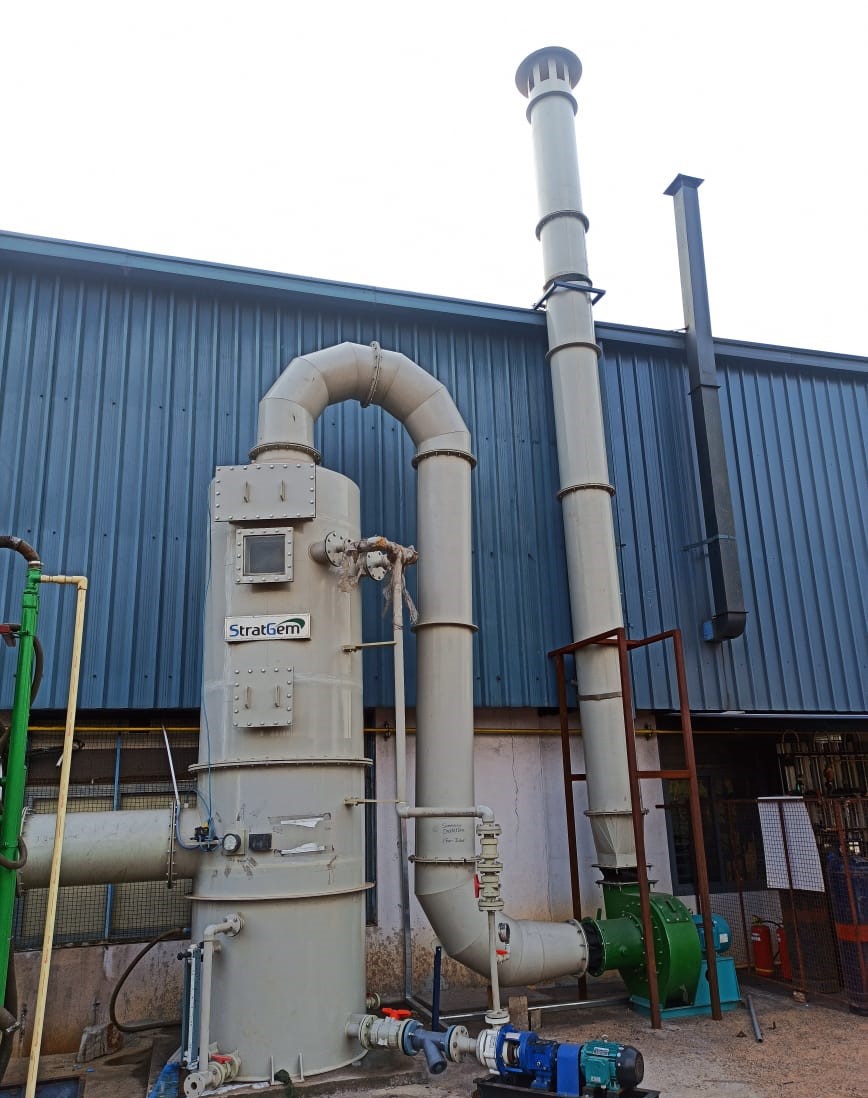
StratGem’s fume extractors are specifically designed for the demanding conditions of the Seven Tank Process. Here’s what makes StratGem an industry leader in fume extraction systems:
- High-Efficiency Filtration Technology: StratGem fume extractors use advanced filtration to capture both large and small particles, ensuring comprehensive air purification.
- Corrosion-Resistant Construction: Built from durable materials, StratGem’s systems are ideal for use with acidic and alkaline chemicals, providing long-lasting performance in processes like pickling and phosphating.
- Energy-Efficient Operation: StratGem’s fume extractors are engineered for low energy consumption, providing cost-effective and environmentally friendly solutions.
- Low Maintenance Design: Easy access for filter replacement and a streamlined design means that StratGem’s fume extractors require minimal maintenance, maximizing uptime and reducing operational costs.
Choosing the Right Fume Extractor for the Seven Tank Process
When selecting a fume extractor for the Seven Tank Process, consider the following:
- Airflow Capacity: Ensure the fume extraction unit can handle the volume of fumes produced in each tank.
- Chemical Resistance: Choose a system that’s built to withstand the specific chemicals used in your process.
- Filter Replacement Ease: Look for extractors with easy-to-replace filters to minimize downtime.
The Seven Tank Process is an essential metal treatment method but generates toxic fumes that pose risks to workers and equipment. An effective fume extractor is crucial in each step to maintain a safe, efficient, and compliant workspace. StratGem’s fume extractors offer robust, energy-efficient, and low-maintenance solutions tailored to meet the demands of industrial processes, making them ideal for businesses that prioritize safety and productivity.
For more information about StratGem’s industrial fume extraction systems and how they can benefit your business, contact us today.